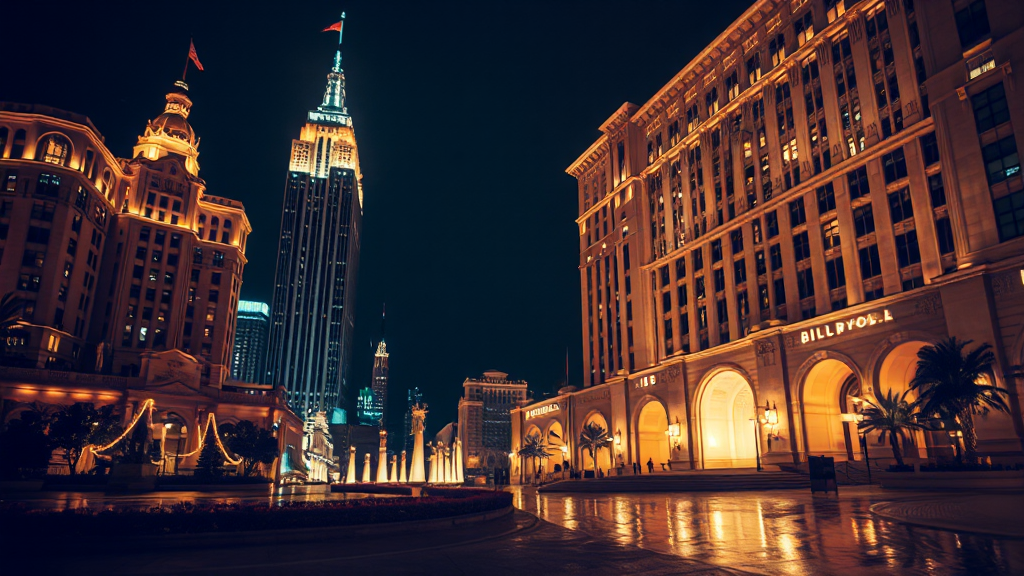
Elevate Your Stay: The Unmatched Charm of Boutique Hotels
In a world where travel has become more accessible than ever, the accommodation you choose can define your entire experience. While large chain hotels offer consistency and predictability, a growing number of discerning travelers are seeking something more personal, more authentic, and infinitely more memorable. This shift in preference has brought boutique hotels into the spotlight, offering a unique blend of character, intimacy, and curated service that larger properties often struggle to replicate. If you are planning your next getaway, understanding the distinct advantages of these smaller, independent establishments can transform a simple trip into an unforgettable journey.
Boutique hotels are not just places to sleep; they are destinations in themselves. They often occupy historic buildings, from converted townhouses to repurposed factories, each with a story to tell. The design is typically avant-garde, reflecting the local culture and the owner’s vision. Every piece of furniture, every piece of art, and every color scheme is chosen with intention, creating an atmosphere that is both stylish and welcoming. This level of detail extends to the service, which is often more personalized and attentive. Staff members at boutique hotels are known for remembering guest names, anticipating needs, and offering insider recommendations that go beyond the standard tourist guide.
The appeal of boutique hotels lies in their ability to provide a sense of place. When you stay at a large chain, you could be in any city in the world. The lobby, the room, and the amenities are often identical. In contrast, a boutique hotel immerses you in the local environment. The cuisine served in the restaurant might highlight regional ingredients, the art on the walls might be from local artists, and the concierge might point you toward a hidden speakeasy that only locals know about. This authenticity is invaluable for travelers who want to connect with a destination on a deeper level.
Another significant advantage is the focus on quality over quantity. Boutique hotels typically have fewer rooms, which means less noise, fewer crowds, and a more serene atmosphere. This exclusivity allows for a higher staff-to-guest ratio, ensuring that every need is met promptly and with a personal touch. Whether it’s arranging a last-minute reservation at a popular restaurant or organizing a private tour of a local landmark, the service is designed to be seamless and bespoke. For many, this level of attention is worth the premium price tag.
Technology also plays a role in enhancing the boutique hotel experience. Many properties now offer high-speed Wi-Fi, smart room controls, and curated streaming services, blending modern convenience with classic charm. However, the true differentiator remains the human element. The ability to have a genuine conversation with the front desk manager, to receive a handwritten welcome note, or to enjoy a locally sourced breakfast in a sunlit courtyard are the moments that create lasting memories.
For those who value sustainability, boutique hotels often lead the way. Many are independently owned and operated, allowing them to make eco-friendly choices that align with their values. From using renewable energy sources to sourcing food from local farms, these hotels are often at the forefront of sustainable tourism. They are also more likely to support local communities, employing local staff and partnering with local businesses. Choosing a boutique hotel can therefore be a more responsible travel choice.
Ultimately, the decision to book a boutique hotel is a decision to invest in an experience. It is about choosing a place that reflects your personal style and enhances your journey. Whether you are a solo traveler seeking solitude, a couple looking for a romantic escape, or a family wanting a unique adventure, the boutique hotel sector offers something for everyone. The key is to do your research, read reviews, and look for properties that align with your interests and expectations.
One excellent example of this philosophy in action is thebiltmorehotels, a collection that embodies the very essence of boutique hospitality. With a focus on personalized service, distinctive design, and a deep connection to its surroundings, it represents the gold standard for independent accommodations. When you choose a property like this, you are not just booking a room; you are securing a narrative, a feeling, and a series of moments that will stay with you long after you have checked out.
In conclusion, the rise of boutique hotels is a testament to the evolving desires of modern travelers. We no longer just want a bed for the night; we want a story to tell. We want to feel special, to be surprised, and to connect with the places we visit. Boutique hotels deliver on all these fronts, offering a sanctuary of style, comfort, and authenticity. So the next time you plan a trip, consider stepping away from the ordinary and into the extraordinary. Your journey will be all the richer for it.
The Rise of Personalized Hospitality
The hospitality industry has undergone a remarkable transformation over the past two decades. The one-size-fits-all model of large hotel chains is increasingly being challenged by a more personalized approach. Guests today are more informed and have higher expectations. They seek experiences that are tailored to their individual preferences, whether that means a specific type of pillow, a particular coffee blend, or a guided tour of a local art gallery. Boutique hotels excel in this area because they have the flexibility to adapt to guest requests without the bureaucratic constraints of a corporate structure.
This personalization begins even before the guest arrives. Many boutique hotels reach out to confirm preferences and offer suggestions for activities. Upon arrival, the check-in process is often more intimate, perhaps with a welcome drink and a personal tour of the property. Throughout the stay, staff members are trained to observe and anticipate, making recommendations based on observed interests. This level of care fosters a sense of loyalty that is hard for larger establishments to achieve. It also creates a virtuous cycle where happy guests become brand ambassadors, sharing their positive experiences with friends and family.
Furthermore, the rise of social media has amplified the importance of unique, photogenic spaces. Boutique hotels are often designed with Instagram-worthy corners, from a stunning lobby chandelier to a rooftop terrace with panoramic views. This visual appeal not only enhances the guest experience but also serves as free marketing. When guests share their photos online, they are effectively endorsing the hotel to a wide audience. This organic promotion is invaluable and is a direct result of the thoughtful design and attention to detail that boutique hotels prioritize.
Design and Architecture: A Canvas for Creativity
One of the most compelling reasons to choose a boutique hotel is the opportunity to experience exceptional design and architecture. Unlike chain hotels that often adhere to a standardized blueprint, boutique properties are free to express creativity. They can be housed in historic landmarks, modern minimalist structures, or even converted industrial spaces. The interior design is often a collaboration with renowned designers or local artists, resulting in a space that is both functional and artistic.
Every element is carefully considered, from the texture of the linens to the scent of the lobby. The goal is to create a cohesive atmosphere that tells a story. For example, a hotel in a coastal town might use shades of blue and white, natural materials like wood and rattan, and decor that nods to maritime history. A hotel in a bustling city might embrace bold colors, contemporary furniture, and cutting-edge technology. This thematic approach ensures that the hotel is not just a place to sleep but a part of the travel narrative.
The architectural significance of boutique hotels also adds value. Many are located in buildings with historical importance, offering guests a chance to stay in a piece of history. The preservation and adaptive reuse of these structures is a form of cultural conservation. Walking through the hallways, you might notice original moldings, fireplaces, or exposed brick walls that have been carefully restored. This blend of old and new creates a unique ambiance that is both nostalgic and fresh.
Culinary Experiences: More Than Just a Meal
Food is an integral part of any travel experience, and boutique hotels often elevate dining to an art form. Many properties feature restaurants helmed by acclaimed chefs who focus on farm-to-table cuisine, using locally sourced ingredients to create seasonal menus. The dining room itself is often a destination, with an ambiance that matches the hotel’s aesthetic. Whether it’s a cozy bistro with a fireplace or a rooftop bar with skyline views, the setting enhances the meal.
Beyond the main restaurant, boutique hotels may offer unique culinary experiences such as cooking classes, wine tastings, or private dinners in the hotel’s garden. These activities allow guests to engage with the local food culture in a hands-on way. For instance, a hotel in a wine region might organize a vineyard tour followed by a tasting of the hotel’s private label. These experiences create deeper connections to the destination and provide lasting memories.
The bar scene in boutique hotels is also noteworthy. Many feature craft cocktail programs with innovative drinks that incorporate local spirits and fresh ingredients. The bartenders are often skilled mixologists who can create custom cocktails based on your preferences. This attention to detail extends to the service, with staff who are knowledgeable and passionate about their craft. For many guests, the hotel bar becomes a social hub, a place to unwind and meet fellow travelers.
Location and Local Immersion
Boutique hotels are often located in the heart of vibrant neighborhoods, away from the tourist-heavy districts. This strategic positioning allows guests to experience the authentic rhythm of the city. You might find a boutique hotel tucked away on a quiet cobblestone street, surrounded by local cafes, independent shops, and art galleries. This proximity to local life encourages exploration and discovery.
The concierge service at a boutique hotel is typically more knowledgeable about the local area. Instead of suggesting generic tourist attractions, they can recommend hidden gems that are off the beaten path. They might know the best time to visit a museum to avoid crowds, the name of a chef at a pop-up restaurant, or the location of a secret rooftop with a stunning view. This insider knowledge is invaluable for travelers who want to go beyond the surface.
Moreover, staying in a boutique hotel often means supporting the local economy. Many of these hotels are independently owned, and they tend to source products and services from local vendors. This creates a positive economic impact on the community. By choosing a boutique hotel, you are contributing to the preservation of local culture and the livelihood of local artisans.
The Intimacy Factor: Fewer Guests, More Attention
One of the most tangible benefits of a boutique hotel is the intimacy it offers. With a limited number of rooms, the atmosphere is automatically more private and serene. There are no long lines at the front desk, no crowded elevators, and no noisy hallways. This tranquility is especially appealing for couples on a romantic getaway or business travelers who need a quiet space to work.
The smaller scale also allows for a more personalized level of service. Staff members have the time to get to know each guest, remembering names, preferences, and special occasions. This attention to detail can make a significant difference. For example, a hotel might prepare a small surprise for a returning guest, such as a bottle of their favorite wine or a plate of local pastries. These gestures create a sense of belonging and loyalty.
Furthermore, the communal spaces in boutique hotels are designed to encourage interaction. The lobby might have a fireplace and comfortable seating where guests can mingle. A small library or a game room can provide a cozy retreat. This social environment is perfect for solo travelers who want to meet others or for groups who want to gather in a relaxed setting. The overall vibe is more like a home than a hotel.
Sustainability and Ethical Practices
As environmental awareness grows, many travelers are seeking accommodations that align with their values. Boutique hotels are often at the forefront of sustainable practices. Because they are independently owned, they can implement eco-friendly initiatives without the approval of a corporate board. These initiatives might include solar panels, rainwater harvesting, composting, and the elimination of single-use plastics.
Many boutique hotels also prioritize ethical sourcing. They may partner with local farmers for produce, use organic linens, and offer toiletries that are cruelty-free and biodegradable. The commitment to sustainability often extends to the building itself, with energy-efficient lighting, smart thermostats, and insulation that reduces energy consumption. Guests can feel good about their choice, knowing that their stay has a reduced environmental impact.
In addition to environmental sustainability, boutique hotels often focus on social responsibility. They may employ local staff, provide fair wages, and contribute to community projects. Some hotels organize volunteer opportunities for guests, such as beach cleanups or visits to local schools. This holistic approach to sustainability makes boutique hotels an attractive option for conscientious travelers.
FAQs
What defines a boutique hotel?
A boutique hotel is typically a small, independently owned property with a unique design, personalized service, and a strong connection to its local culture. Unlike large chain hotels, boutique hotels focus on creating a distinctive atmosphere and memorable experience for each guest.
Are boutique hotels more expensive than chain hotels?
While boutique hotels can be more expensive per night, they often offer better value in terms of service, design, and experience. The price reflects the higher level of personalization, quality of materials, and exclusive amenities. However, there are boutique options available for various budgets.
What amenities can I expect at a boutique hotel?
Amenities vary widely but often include high-quality linens, unique toiletries, in-room technology, and sometimes a restaurant or bar. Many boutique hotels also offer complimentary breakfast, bike rentals, or guided tours. The focus is on quality over quantity, so amenities are usually curated and excellent.
How do I find a good boutique hotel?
Start by researching online travel guides and reading reviews from past guests. Look for properties that highlight their unique design, location, and personalized service. Websites dedicated to boutique travel can also be helpful. Pay attention to the hotel’s website and social media to get a sense of its character.
Is a boutique hotel suitable for families?
Yes, many boutique hotels welcome families and offer family-friendly amenities such as connecting rooms, kids’ menus, and activities. However, it is always best to check with the hotel directly to ensure they can accommodate your family’s specific needs, as some boutique properties are more geared toward couples or solo travelers.