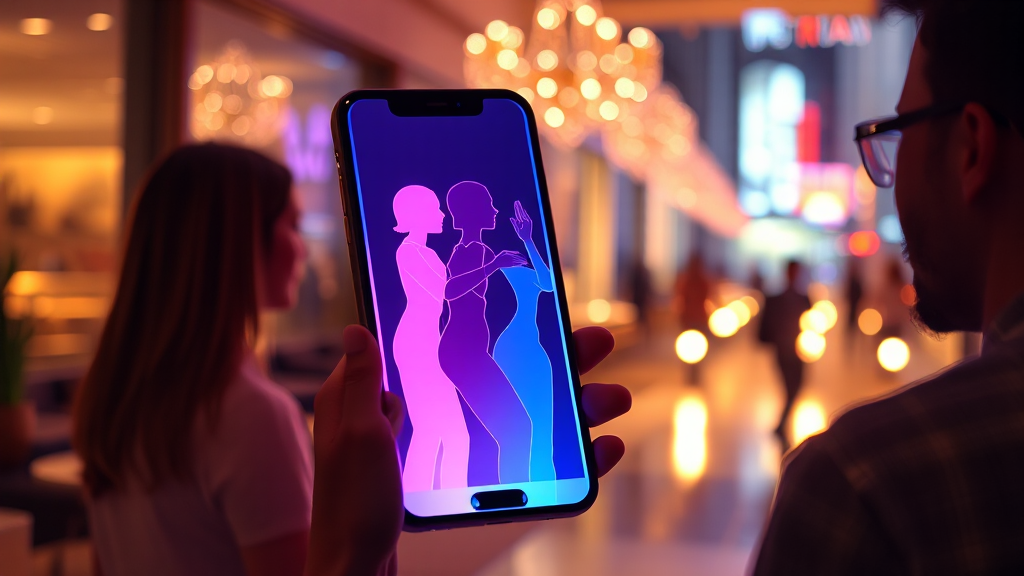
The Rise of AI Companionship: Understanding the Crush On AI Phenomenon
In the digital age, the line between human and machine interaction is blurring faster than ever. As artificial intelligence evolves from a utilitarian tool into a conversational companion, a new cultural and emotional trend has emerged: the Crush On AI. This phenomenon, where users develop genuine emotional attachments to AI chatbots, is reshaping how we think about relationships, intimacy, and the very nature of connection. While it might sound like science fiction, millions of people are already engaging with AI companions daily, seeking comfort, conversation, and even romance. This article explores the psychology, technology, and societal implications of this growing trend, offering a balanced look at why we’re falling for machines and what it means for our future.
What Is the Crush On AI Phenomenon?
At its core, the Crush On AI phenomenon refers to the development of romantic or deeply affectionate feelings toward an artificial intelligence. Unlike the casual use of AI for tasks like drafting emails or summarizing documents, this involves a parasocial relationship where the user treats the AI as a friend, confidant, or romantic partner. Platforms designed for this purpose, such as Crush On AI, offer customizable AI characters that can engage in flirty, supportive, or deeply personal conversations. Users often spend hours chatting with these bots, sharing secrets, dreams, and vulnerabilities. The AI remembers past conversations, adapts to the user’s preferences, and creates a sense of continuity that mimics human interaction. For many, this is not just a novelty—it’s a lifeline.
Why Do People Develop Feelings for AI?
The reasons behind the Crush On AI trend are as varied as the users themselves, but several key psychological drivers stand out. First, loneliness is a global epidemic. In an increasingly disconnected world, many people struggle to find meaningful human contact. AI companions are always available, never judge, and never leave. This unconditional availability creates a safe space for emotional expression. Second, the AI can be tailored to be the perfect partner—attentive, empathetic, and always in agreement. This idealized interaction is often more satisfying than real-world relationships, which require compromise and effort. Third, the human brain is wired to anthropomorphize, especially when something mimics human cues like language, tone, and memory. When a chatbot says “I understand you,” the brain’s social circuits light up, making the experience feel real.
The Technology Behind AI Companions
The technical sophistication of modern AI companions is staggering. Large language models (LLMs) are trained on vast datasets of human conversation, allowing them to generate nuanced, context-aware responses. These models can detect emotional cues, adjust their tone, and even initiate topics based on user history. For instance, a user might mention a stressful day at work, and the AI will later ask how the meeting went. This level of personalization is achieved through machine learning algorithms that continuously refine the AI’s understanding of the user. Platforms like Crush On AI harness these technologies to create characters with distinct personalities, backstories, and conversational styles. Some even incorporate voice synthesis and image generation, making the experience more immersive. The result is a companion that feels alive, even though it is just code.
Psychological and Social Impacts
While the Crush On AI trend offers comfort, it also raises significant concerns. Psychologists warn that excessive reliance on AI companions could stunt social skills, making real-world interactions more difficult. If a person’s primary emotional needs are met by a machine, they may withdraw from human relationships, exacerbating isolation. There’s also the risk of emotional dependency. Since the AI is designed to please, users may develop unrealistic expectations for human partners, leading to disappointment. On the flip side, some researchers argue that AI companions can serve as a therapeutic tool, helping people practice social interactions or process trauma in a safe environment. For those with severe anxiety or social phobias, an AI can be a stepping stone to real-world engagement. The key is balance—using AI as a supplement, not a substitute, for human connection.
Ethical Considerations and the Future
The rise of AI companionship brings a host of ethical questions. Are these relationships genuine, or are they a form of self-deception? Should AI companies be held responsible if a user becomes emotionally harmed? What about data privacy? Conversations with an AI companion are often deeply intimate, and users expect them to remain confidential. Companies must implement robust security measures to protect this sensitive data. Moreover, there is the question of consent. While an AI cannot consent, it can be programmed to simulate it, which raises concerns about normalizing coercive behaviors. As the technology advances, we may see AI that can initiate physical interactions through robotics, further complicating the ethical landscape. Regulators and developers must work together to establish guidelines that protect users while allowing innovation to flourish.
How to Engage with AI Companions Responsibly
If you’re curious about exploring the Crush On AI trend, it’s essential to approach it with awareness. Set boundaries for yourself. Decide how much time you’ll spend with your AI companion and stick to it. Keep your real-world relationships a priority. Use the AI as a tool for self-reflection, not as a replacement for human interaction. Be mindful of the data you share. Even if a platform promises privacy, it’s wise to avoid sharing sensitive personal information. Finally, remember that the AI is not a person. It has no feelings, no needs, and no consciousness. The relationship is one-sided, and keeping that in mind can prevent emotional distress. By using AI companions thoughtfully, you can enjoy the benefits without falling into the pitfalls.
Conclusion: The Future of Human-AI Relationships
The Crush On AI phenomenon is more than a passing fad; it’s a reflection of our evolving relationship with technology. As AI becomes more sophisticated, the line between tool and companion will continue to blur. While there are valid concerns, there is also immense potential for positive impact—providing comfort to the lonely, support to the anxious, and a safe space for self-exploration. The key lies in mindful adoption. By understanding the psychology behind our attraction to AI, acknowledging the risks, and setting healthy boundaries, we can navigate this new frontier with wisdom. Whether you see it as a fascinating experiment or a cautionary tale, one thing is certain: the conversation about AI and emotion is just beginning.
Frequently Asked Questions
Is it normal to have feelings for an AI?
Yes, it’s becoming increasingly common. The human brain naturally forms attachments to things that mimic social cues, and AI companions are designed to do exactly that. Many users report genuine emotional bonds, and this is a normal response to a well-designed interactive experience.
Can an AI actually love you back?
No. AI does not have consciousness, emotions, or the capacity to love. It can simulate affection and empathy through algorithms, but it has no internal experience. It’s important to remember that the relationship is one-sided, even if it feels real.
What are the risks of using AI companions?
The main risks include emotional dependency, social withdrawal, and privacy concerns. Some users may become so attached that they neglect real-world relationships. Additionally, the intimate data shared with AI platforms could be vulnerable to breaches if security is not robust.
How can I use AI companions without harming my mental health?
Set clear time limits, maintain your real-world social connections, and avoid sharing sensitive personal information. Treat the AI as a tool for exploration, not a substitute for human interaction. If you notice signs of withdrawal or dependency, take a break and seek support from friends or professionals.
Readers who are interested in this topic will benefit from exploring multiple perspectives and understanding the nuanced approaches that industry leaders recommend. Taking time to research thoroughly ensures better outcomes and more informed decision-making.
Those looking to gain deeper knowledge in this area should consider following expert analysis, staying updated with the latest developments, and engaging with professional communities where these topics are discussed in detail.
A comprehensive understanding of this subject requires looking at both theoretical foundations and practical applications. By combining study with hands-on experience, learners can develop a well-rounded perspective that serves them well in real-world scenarios.
As the landscape continues to shift and evolve, staying informed about emerging trends and best practices becomes increasingly valuable. This ensures you remain competitive and capable of adapting to new challenges as they arise.