All Top Yono Rummy App: A Practical Guide to Comparing Rummy Apps in India
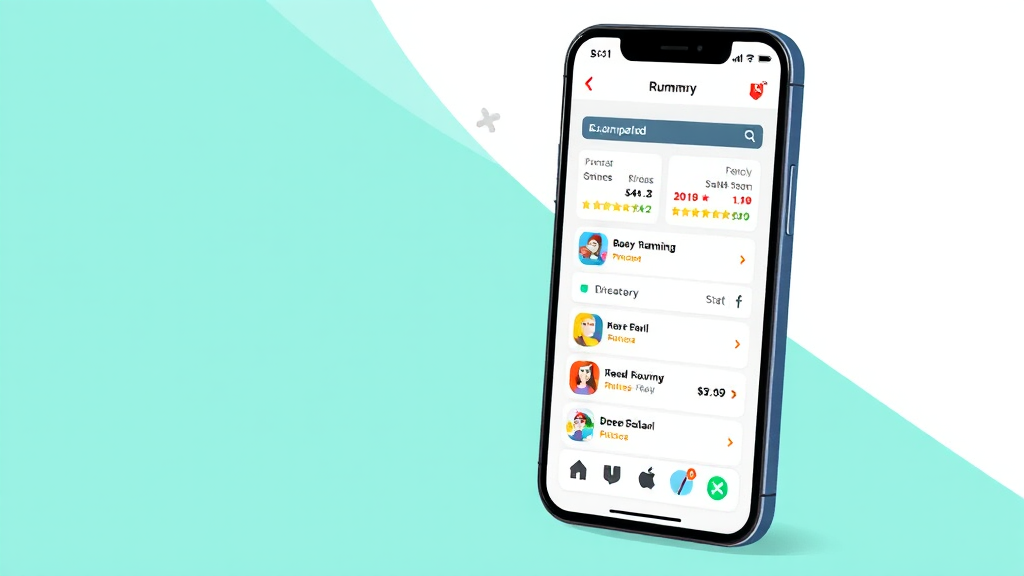
Search interest around the All Top Yono Rummy App topic has grown quickly among players in India who want a single, organised place to browse rummy-style applications. Instead of jumping between scattered links, screenshots and half-finished reviews, a structured directory approach lets you compare apps side by side using the signals that actually matter: category, listed features, rating summaries and the operator’s own published terms. This guide explains how to research the All Top Yono Rummy App space sensibly, what to look for in any listing, and how to keep your expectations realistic.
What “All Top Yono Rummy App” Usually Refers To
The phrase is best understood as a search umbrella rather than a single product. Players use it when they want to find a collection of rummy-style apps that carry the “Yono” naming style, which has become a recognisable label in the Indian app-discovery market. Because these apps are frequently updated, renamed or republished, there is rarely one permanent list. What exists instead is a moving landscape of listings that a directory can organise by category, rating and feature set.
That is why a comparison hub is more useful than a static blog post. A directory can group apps by the signals users care about, filter them, and point back to each operator’s current terms. The directory itself does not run any of the games; it simply helps you research before you decide. Keeping that distinction clear is the first step toward using the All Top Yono Rummy App search term productively rather than passively.
Why Players Search for a Consolidated Rummy App List
There are three practical reasons this kind of search stays popular.
First, discovery is fragmented. App stores, social posts and referral links all surface different names. A consolidated list reduces the number of tabs you need to keep open.
Second, comparison is hard without structure. Two apps can look identical in a screenshot but differ completely in signup framing, payout descriptions or category focus. A ranked or filtered list forces those differences into view.
Third, terms change. Any responsible directory will tell you to check the operator’s current terms and conditions, because app details, bonus structures and availability can shift without notice. A list that links back to the source is more trustworthy than a list that copies old details.
How to Evaluate Any Rummy App Listing
When you open a listing for the All Top Yono Rummy App category, treat it like a research document rather than an advertisement. The following checklist covers the fields that usually matter most.
1. Category and positioning
Is the app presented as a casual card game, a skill-based rummy platform, or something else? The category label tells you how the operator positions the product and often hints at the audience it targets. A directory that supports category filters makes this comparison much faster.
2. Rating summaries
Ratings are a signal, not a verdict. Look at how many ratings exist, whether they are recent, and whether the summary is aggregated or based on a small sample. A high score with very few reviews deserves more caution than a moderate score with thousands.
3. Signup framing
Read the signup description carefully. Does it mention age requirements, verification steps or regional availability? Clear signup framing is usually a sign that the operator has thought about compliance, which is a positive indicator for any user in India.
4. Payout and withdrawal language
Payout descriptions should be specific. Vague phrases like “instant rewards” are less useful than concrete statements about processing methods and timelines. Always verify against the operator’s own terms, because a directory summary cannot replace the source document.
5. Update history
An app that is actively maintained behaves differently from one that has been abandoned. Version notes, recent screenshots and fresh ratings all suggest an active product.
Building Your Own Comparison Routine
A repeatable routine beats one-off browsing. Here is a simple method you can apply each time you research the All Top Yono Rummy App space.
Start by shortlisting five to seven apps from a ranked or filtered directory. Next, open each operator’s terms page and note the key facts in a simple table: category, listed rating, signup requirements, payout description and last update. Then compare the table against your own priorities. If responsible play tools such as session reminders or spending limits are important to you, check whether the app describes them at all. Finally, revisit your shortlist after a few weeks to see whether anything changed.
This routine takes perhaps twenty minutes and prevents the most common mistake: choosing based on a single screenshot or a single referral message.
Common Misunderstandings About Rummy App Directories
Several myths circulate around this topic, and clearing them up makes the research process calmer.
Myth: a directory operates the apps. In reality, a directory is informational. It lists and compares third-party services but does not run them, which is why the operator’s own terms always take precedence.
Myth: a top ranking is a guarantee. Rankings are based on the signals the directory chooses to weigh. They are a starting point for your own evaluation, not a promise about your experience.
Myth: all listings are identical. Even apps with similar names can differ in category, features and regional availability. Reading the listing details is what separates informed users from impulsive ones.
Myth: once listed, always accurate. App details change. A good directory encourages you to verify current terms rather than relying on a cached summary.
Responsible Play and Why It Belongs in the Conversation
Any serious discussion of rummy-style apps in India should include responsible-play resources. This is not a formality; it is part of being an informed user. Practical habits include setting a fixed time limit before you start, deciding in advance how much time you want to spend, and taking breaks between sessions. If an app offers session reminders or activity summaries, use them.
It also helps to treat app research as a separate activity from playing. When you are comparing listings, you are evaluating features and terms, not chasing outcomes. Keeping those two modes distinct makes your decisions more deliberate and less reactive.
What Makes a Rummy App Directory Useful
Not every list is equally helpful. A directory earns trust when it does four things well.
It presents ranked listings with a clear scoring rationale, so you understand why one app appears above another. It supports category filters, letting you narrow by the signals that matter to you. It shows practical app details such as rating summaries, signup framing and payout descriptions in a consistent format. And it links back to the operator’s current terms, so you can verify anything that looks important.
A directory that does all four is a research tool. One that only shows logos and download buttons is closer to an advertisement. The difference matters when you are trying to make a considered choice about the All Top Yono Rummy App category.
Putting It All Together
The All Top Yono Rummy App search term works best when you treat it as the beginning of a research process rather than the end of one. Use a structured directory to shortlist candidates, read each listing critically, verify details against the operator’s own terms, and apply a consistent comparison routine. Pay attention to category, ratings, signup framing, payout language and update history. Keep responsible-play habits in view, and revisit your shortlist periodically because the landscape changes.
Done this way, app discovery becomes a calm, repeatable task instead of a scramble through scattered links. You end up with a shortlist you understand, a clear sense of why each app is on it, and the confidence that you checked the source rather than trusting a summary.
FAQ
What exactly is the All Top Yono Rummy App topic about?
It is a search term players use when looking for a consolidated collection of rummy-style apps that carry the “Yono” naming style. It is best treated as a category for research rather than a reference to one specific product.
Does a rummy app directory operate the apps it lists?
No. Informational directories list, rank and compare third-party services. They do not run the apps, which is why the operator’s own terms and conditions always take priority over any listing summary.
How should I compare two similar rummy app listings?
Compare them on category, rating summary, signup framing, payout description and update history. Write the details in a small table so the differences are visible, and verify anything important against the operator’s current terms.
Why do app details change so often?
Apps are frequently updated, renamed or republished, and bonus structures or availability can shift. That is why a directory that links back to the source is more reliable than a static article with copied details.
What responsible-play habits should I keep in mind?
Set a time limit before you start, take regular breaks, and use any session reminders or activity summaries the app provides. Treat research and play as separate activities so your decisions stay deliberate.